- Places in town- Hangman (British Council)
- Places in the city - Games (Freddie's ville)
- Prepositions of place - Monkey game
- Prepositions of place - Game: tidy up you room
- Where is the mouse?
- Destination impossible Game (BBC)
17.4.17
0
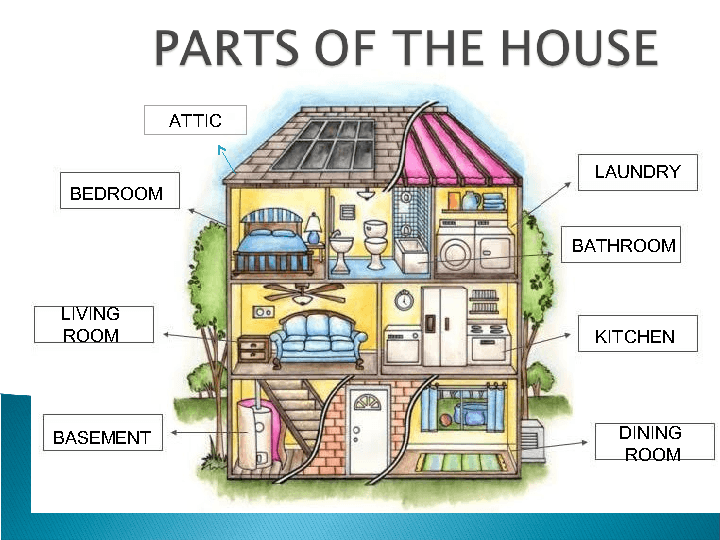
Places and Prepositions of place
Published by

28.3.17
27.3.17
22.3.17

17.3.17
15.3.17

10.3.17
8.3.17
7.3.17
2.3.17
0
Future for 4ºESO
Published by
14.2.17

8.2.17
0
February's best videos
- Mensaje anti-bullying X-Factor
- Kristen Steward against Trump
- Clara Hurtado The Voice UK
- Optimism about Down Syndrome
Published by
6.2.17

1.2.17

22.1.17
0
January's best videos
- Israeli journalist Lucy Aharish
- Meryl Streep's acceptance speech
- A valuable lesson for a happier life
- Dear Donald Trump: A letter from a Syrian refugee
Published by
17.1.17
11.1.17
14.12.16
0

 Boxing Day

December 2016
Christmas
25 December
Christmas, also referred to as Christmas Day or Christmastide, is an annual holiday celebrated on December 25 that marks and honors the birth of Jesus of Nazareth. His birth, which is the basis for the anno Domini system of dating, has been determined by modern historians as having occurred between 7 and 2 BC. The date of celebration is not thought to be Jesus' actual date of birth. It may have been chosen to coincide with the winter solstice, which the ancient Romans celebrated on December 25.
Modern customs of the holiday include gift-giving, church celebrations, and the display of various decorations—including the Christmas tree, lights, mistletoe, nativity scenes and holly. Santa Claus (also referred to as Father Christmas, although the two figures have different origins) is a popular mythological figure often associated with bringing gifts at Christmas. Santa is generally believed to be the result of a syncretization between St. Nicholas of Myra and elements from pagan Nordic and Christian mythology, and his modern appearance is believed to have originated in 19th century media. (Wikipedia)
Modern customs of the holiday include gift-giving, church celebrations, and the display of various decorations—including the Christmas tree, lights, mistletoe, nativity scenes and holly. Santa Claus (also referred to as Father Christmas, although the two figures have different origins) is a popular mythological figure often associated with bringing gifts at Christmas. Santa is generally believed to be the result of a syncretization between St. Nicholas of Myra and elements from pagan Nordic and Christian mythology, and his modern appearance is believed to have originated in 19th century media. (Wikipedia)
- Nightmare Before Christmas -What's this? (VIDEO)
- Links (Isabel Pérez)
- All I Want for Christmas is You!
- Links (Isabel Pérez)
- All I Want for Christmas is You!

Hanukkah
21-29 December
Hanukkah, also known as the Festival of Lights, is an eight-day Jewish holiday commemorating the rededication of the Second Temple in Jerusalem at the time of the Maccabean Revolt of the 2nd century BCE. Hanukkah is observed for eight nights, starting on the 25th day of Kislev according to the Hebrew calendar, and may occur from late November to late December on the Gregorian calendar.
The festival is observed by the kindling of the lights of a special candelabrum, the Menorah or Hanukiah, one light on each night of the holiday, progressing to eight on the final night. An extra light called a shamash, is also lit each night, and is given a distinct location, usually higher or lower than the others. The purpose of the extra light is to adhere to the prohibition, specified in the Talmud (Tracate Shabbat 21b-23a), against using the Hanukkah lights for anything other than publicizing and meditating on the Hanukkah story. (Wikipedia)
The festival is observed by the kindling of the lights of a special candelabrum, the Menorah or Hanukiah, one light on each night of the holiday, progressing to eight on the final night. An extra light called a shamash, is also lit each night, and is given a distinct location, usually higher or lower than the others. The purpose of the extra light is to adhere to the prohibition, specified in the Talmud (Tracate Shabbat 21b-23a), against using the Hanukkah lights for anything other than publicizing and meditating on the Hanukkah story. (Wikipedia)
- Games
 Boxing Day
26 December
Boxing Day is a public holiday in the United Kingdom, Canada, New Zealand and Australia, as well as many other members of the Commonwealth of Nations and Greece. It is based on the tradition of giving gifts to the less fortunate members of society. Contemporary Boxing Day in Canada is a "shopping holiday" associated with after Christmas sales.
It is usually celebrated on 26 December, the day after Christmas Day; however, its associated public holiday can be moved to the next weekday if 26 December is a Saturday or Sunday. The movement of Boxing Day varies between countries. (Wikipedia)
It is usually celebrated on 26 December, the day after Christmas Day; however, its associated public holiday can be moved to the next weekday if 26 December is a Saturday or Sunday. The movement of Boxing Day varies between countries. (Wikipedia)
- Quiz

New Year's Eve
31 December
31 December
New Year's Eve is on December 31, the final day of the Gregorian year, and the day before New Year's Day. New Year's Eve is a separate observance from the observance of New Year's Day. In modern Western practice, New Year's Eve is celebrated with parties and social gatherings spanning the transition of the year at midnight.
Many cultures use fireworks and other forms of noise making in part of the celebration. Some of the cities most well-known for their celebrations include Edinburgh, Sydney, Toronto, Moscow, Tokyo, Rome, Hong Kong, London, Los Angeles, Berlin, Rio de Janeiro, Paris, and New York City. (Wikipedia)
Many cultures use fireworks and other forms of noise making in part of the celebration. Some of the cities most well-known for their celebrations include Edinburgh, Sydney, Toronto, Moscow, Tokyo, Rome, Hong Kong, London, Los Angeles, Berlin, Rio de Janeiro, Paris, and New York City. (Wikipedia)
- Webquest
Published by
12.12.16
0
Present Simple
 - Game: Basketball
- Game : monkey
- Game: Astro antics
- Activities
Published by
9.12.16
0
Present Perfect
- grammar
 - test
- test 2
- Have you ever...? (pdf)
- TV shows
- game
- wheel game
Published by
25.11.16
1
Black Friday
Black Friday is the day following Thanksgiving Day in the United States (the fourth Thursday of November). Since 1932, it has been regarded as the beginning of the Christmas shopping season in the U.S., and most major retailers open very early (and more recently during overnight hours) and offer promotional sales. The earliest evidence of the phrase Black Friday applied to the day after Thanksgiving in a shopping context suggests that the term originated in Philadelphia, where it was used to describe the heavy and disruptive pedestrian and vehicle traffic that would occur on the day after Thanksgiving. This usage dates to at least 1961. More than twenty years later, as the phrase became more widespread, a popular explanation became that this day represented the point in the year when retailers begin to turn a profit, thus going from being "in the red" to being "in the black" (from Wikipedia)
Published by
0
Violence against women
International Day for the
Elimination of Violence
Against Women
25 November
Published by
17.11.16
24.10.16
1
 - History
- Halloween in Spain
- Pumpkin carving stencils
- Virtual Haunted House
- Vocabulary
- Vocabulary with pronunciation
- Vocabulary with pictures and activity
- Matching game
- Quiz
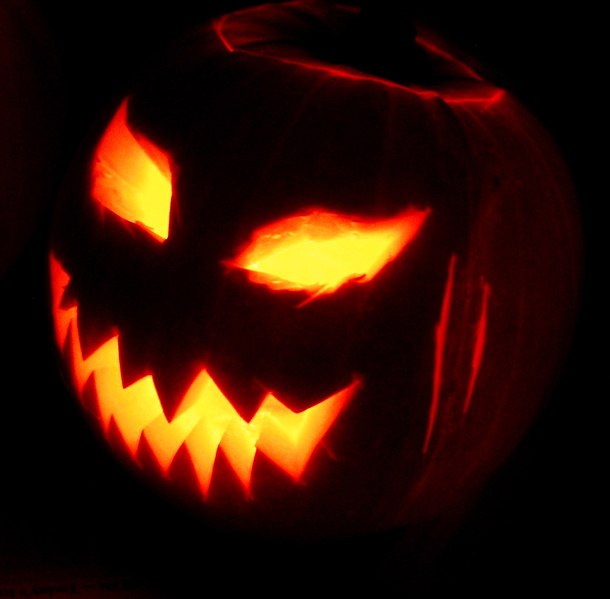
Halloween 2016
Halloween, or Hallowe’en, is an international holiday celebrated on October 31. Halloween activities include trick-or-treating, ghost tours, bonfires, costume parties, visiting haunted attractions, carving Jack-o'-lanterns, reading scary stories and watching horror movies. Irish immigrants carried versions of the tradition to North America in the nineteenth century. Halloween is celebrated in several countries of the Western world, most commonly in the United States, Canada, Ireland, Puerto Rico, Japan, New Zealand, United Kingdom and occasionally in parts of Australia. (From Wikipedia)
 - History
- Halloween in Spain
- Pumpkin carving stencils
- Virtual Haunted House
- Vocabulary
- Vocabulary with pronunciation
- Vocabulary with pictures and activity
- Matching game
- Quiz
- Games: Haunted House, Costumes
- Listen and paint
- Listen and paint
- Carve your own pumpkin
- Halloween games- British Council
- The Top 10 Scariest Movies scenes
- Interactive book
- Halloween games- British Council
- The Top 10 Scariest Movies scenes
- Interactive book
Published by
21.10.16
%2Bcontrast.png)
17.10.16
7.10.16
29.9.16

16.9.16
0
Welcome back! School year 2016-2017
 Welcome back! Are you ready? We start a new school year and here you´ll find some useful information and tips to success in English.
Evaluation criteria:
- Linguistic aspects: exams, projects, presentations --> 60%
- Work in class, work at home, notebook, attitude --> 30%
- Oral tasks --> 10%
Resources:
- Burlington Interative
- Online Dictionary
Tips:
- Do not write in the student´s book
- Write the date in English
- Speak in English
- Study at least once a week
- Pay attention
- When learning vocabulary, learn the pronunciation and the spelling
- Watch movies in English with subtitles
- Read any book
Published by
14.6.16
1.6.16
0
Activities
- Form
- Active to passive
- Descriptions
- Snap
- Processes
- Be (form)
- Complete (Oxford)
- Worksheet (MacMillan)
- Worksheet (Englishwsheets)
Passive Voice - 3º ESO
The Passive Voice (Present)


Activities
- Form
- Active to passive
- Descriptions
- Snap
- Processes
- Be (form)
- Complete (Oxford)
- Worksheet (MacMillan)
- Worksheet (Englishwsheets)
Published by
8.5.16
3.5.16
26.4.16
1
4. Listen to the song:
5. Lyrics in Spanish
6. Play Kahoot!
Song: Get Lucky
1. Do you know Daft Punk? Do you know Pharrell Williams?
2. Synonym (s) or antonym (a)
a) Deal/pact: _______
b) Withhold/give: _______
c) Conscious/live: ______
d) Feel/sensation: ______
e) Leave/continue: ______
f) Beginning/conclusion: ______
g) Bill/coin: ______
h) Godsend/luck: ______
i) Spin/ steady: ______
j) Prevail/win: ______
3. Idioms
1. To raise the bar
2. To go too far
3. To get funky
|
a) To do more than is acceptable.
b) To dance in a wild, crazy way.
c) To make a task
a little more difficult.
|
5. Lyrics in Spanish
6. Play Kahoot!
Published by
19.4.16
0
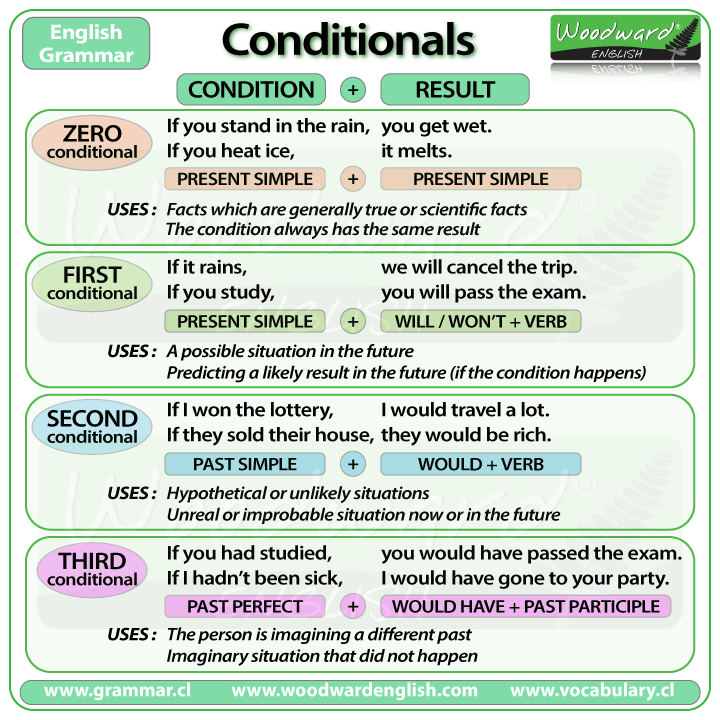
Future and First Conditional
Published by
17.4.16
13.4.16
0
Giving directions
 - Vocabulary: shops
- Board Games
- Exercises: British Council (pdf)
- Reading game: directions
- Game (swf)
- Final Task: choose a place in your town and write the directions to get there. Then write some information about that place.
Published by
11.4.16
4.4.16
1.4.16
28.3.16
0
- Past actions at an unspecified time---> Peter has gone to the cinema
- Past actions with present result---> Susan has caught a cold so she is in bed.
- Duration from past until now ---> We have been friends for years
- Actions just finished ---> Paul has just finished the exam
4) ACTIVITIES:
- Grammar and exercises (ego4u)
- Games: The Euro, Uses, Past Simple or Present Perfect
- Statements, Negation, Questions, Since or For, Review, Test (englishhilfen)
- Video
- Karaoke (We are the Champions by Queen)
Present Perfect
Present Perfect

1) USES:
- Past actions at an unspecified time---> Peter has gone to the cinema
- Past actions with present result---> Susan has caught a cold so she is in bed.
- Duration from past until now ---> We have been friends for years
- Actions just finished ---> Paul has just finished the exam
2) FORM:
- Affirmative: have/has + past participle*
- Negative: haven't/hasn't + past participle
- Interrogative: have/has + subject + past participle
* Past Participle formation: Regular verbs add -ed to form the past participle and irregular verbs have different forms so you must study your list of irregular verbs.
Examples:
regular verb: I work - I have worked ;
irregular verb: I go - I have gone
- Affirmative: have/has + past participle*
- Negative: haven't/hasn't + past participle
- Interrogative: have/has + subject + past participle
* Past Participle formation: Regular verbs add -ed to form the past participle and irregular verbs have different forms so you must study your list of irregular verbs.
Examples:
regular verb: I work - I have worked ;
irregular verb: I go - I have gone
3) TIME EXPRESSIONS:
- Already: Peter has already finished the exam
- Ever: Have you ever been to London?
- Never: I have never been to Italy.
- Just: They have just made the cake.
- Yet: I haven't finished the exam yet.
- For: I have studied for 2 hours.
- Since: I have studied here since 2004.
- How long...?: How long have you studied here?
- Already: Peter has already finished the exam
- Ever: Have you ever been to London?
- Never: I have never been to Italy.
- Just: They have just made the cake.
- Yet: I haven't finished the exam yet.
- For: I have studied for 2 hours.
- Since: I have studied here since 2004.
- How long...?: How long have you studied here?
- Grammar and exercises (ego4u)
- Games: The Euro, Uses, Past Simple or Present Perfect
- Statements, Negation, Questions, Since or For, Review, Test (englishhilfen)
- Video
- Karaoke (We are the Champions by Queen)
Published by
17.3.16

14.3.16
8.3.16
4.3.16

24.2.16
23.2.16
0
Extreme sports (unit 6)
EXTREME SPORTS VOCABULARY
-------------------------
EXTREME SPORTS LESSON
---------------------------
Published by
3
 Part 1 pdf podcast
Part 2 pdf podcast
Part 1 Quiz
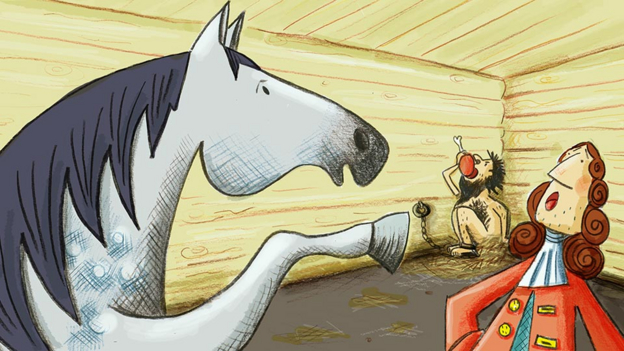
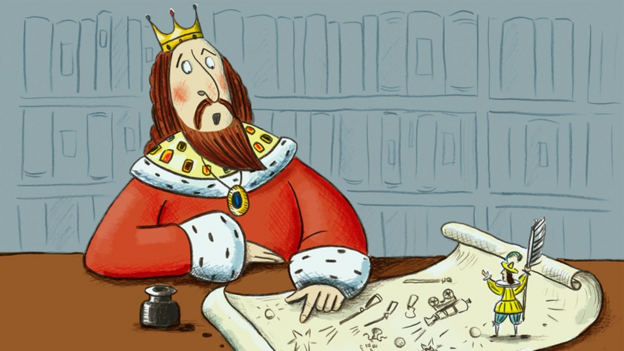
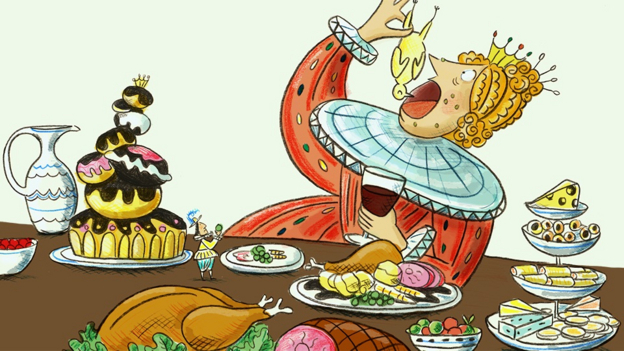
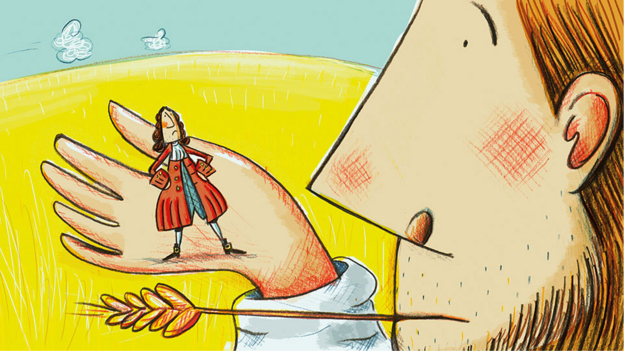
1. Which Lilliputian objects caused Gulliver pain? (Hint: They were tiny versions of the real things.)
a) Arrows b) Swords c) Needles
2. Why did Gulliver fall asleep? (Hint: There was something in the wine.)
a) He drank too much wine. b) The wine was drugged. c) The arrows were poisoned.
3. Who wants to kill Gulliver? (Hint: Listen to the conversation between these three characters.)
a) Flimnap b) Skyresh c) The King of Lilliput
Part 2 Quiz
1. Why are Lilliput and Blefuscu at war? (Hint: It is a very strange reason.)
a) They have different religions. b) They crack their eggs differently. c) Skyresh insulted the Blefuscan king.
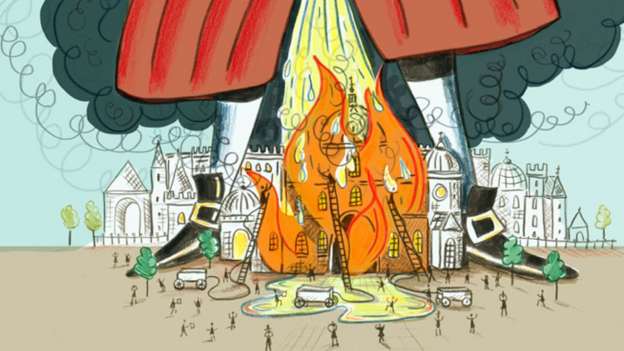
2. How does Gulliver stop the Blefuscan invasion? (Hint: The answer is connected to the sea)
a) He frightens the Blefuscan sailors and takes their ships. b) He attacks the Blefuscan navy with iron hooks. c) He made the Blefuscans slaves.
3. What does 'in return for' mean? (Hint: The phrase is used when Skyresh reads the conditions for Gulliver's freedom.)
a) In exchange for. b) On the way back. c) To promise.
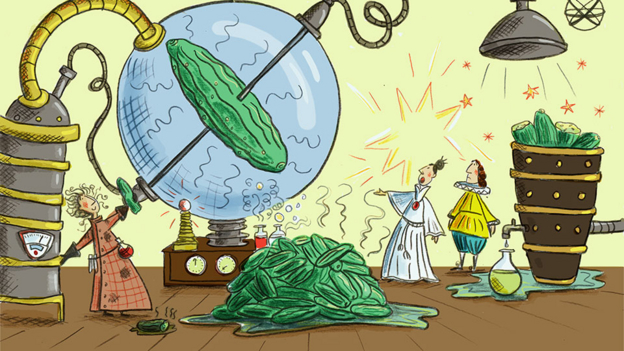
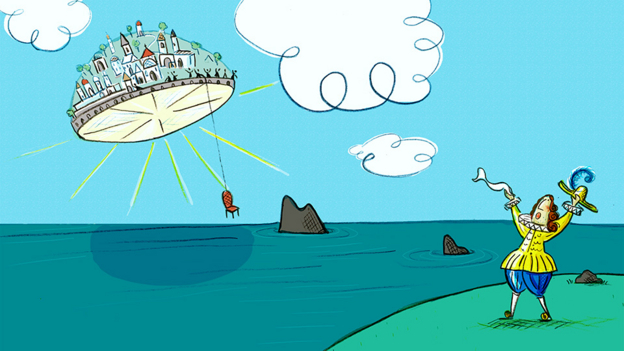
Gulliver's travels - BBC Drama

Part 2 pdf podcast
Part 1 Quiz
1. Which Lilliputian objects caused Gulliver pain? (Hint: They were tiny versions of the real things.)
a) Arrows b) Swords c) Needles
2. Why did Gulliver fall asleep? (Hint: There was something in the wine.)
a) He drank too much wine. b) The wine was drugged. c) The arrows were poisoned.
3. Who wants to kill Gulliver? (Hint: Listen to the conversation between these three characters.)
a) Flimnap b) Skyresh c) The King of Lilliput
Part 2 Quiz
1. Why are Lilliput and Blefuscu at war? (Hint: It is a very strange reason.)
a) They have different religions. b) They crack their eggs differently. c) Skyresh insulted the Blefuscan king.
2. How does Gulliver stop the Blefuscan invasion? (Hint: The answer is connected to the sea)
a) He frightens the Blefuscan sailors and takes their ships. b) He attacks the Blefuscan navy with iron hooks. c) He made the Blefuscans slaves.
3. What does 'in return for' mean? (Hint: The phrase is used when Skyresh reads the conditions for Gulliver's freedom.)
a) In exchange for. b) On the way back. c) To promise.
Published by
22.2.16
11.2.16

9.2.16
8.2.16
0
Comparatives and superlatives - too/enough
Published by
27.1.16
0
 * Fun things:
School Day of Non-Violence and Peace -- 30 January
School Day of Non-Violence and Peace
(30th January)
* Peace symbols:
- game
 * Fun things:
- Educational games (via Begoña)
Published by
9.1.16


7.1.16


1.12.15

30.11.15

25.11.15
24.11.15
0
- Send E-cards
- You are the Historian, investigating the first Thanksgiving (audio needed)
- Story and quiz
- Vocabulary
- Vocabulary (youtube)
- DLTK 's activities (coloring pages, crafts, games, poems, recipes, printables)
- Black Friday (article and listening)
- ESL KidStuff's games and activities
- Webquest
- Quiz
- Kaboose's games
- More games
- Crossword
- Wordsearch 
Thanksgiving - 26th November 2015
Thanksgiving Day is a national holiday celebrated in Canada and the United States as a day of giving thanks for the blessing of the harvest and of the preceding year. It is celebrated on the second Monday of October in Canada and on the fourth Thursday of November in the United States. Several other places around the world observe similar celebrations. Thanksgiving has its historical roots in religious and cultural traditions and has long been celebrated in a secular manner as well. (From Wikipedia)
- You are the Historian, investigating the first Thanksgiving (audio needed)
- Story and quiz
- Vocabulary
- Vocabulary (youtube)
- DLTK 's activities (coloring pages, crafts, games, poems, recipes, printables)
- Black Friday (article and listening)
- ESL KidStuff's games and activities
- Webquest
- Quiz
- Kaboose's games
- More games
- Crossword
- Wordsearch

Published by
Suscribirse a:
Entradas
(
Atom
)


 Entradas